Sunday, October 05, 2025

The Banking System explained


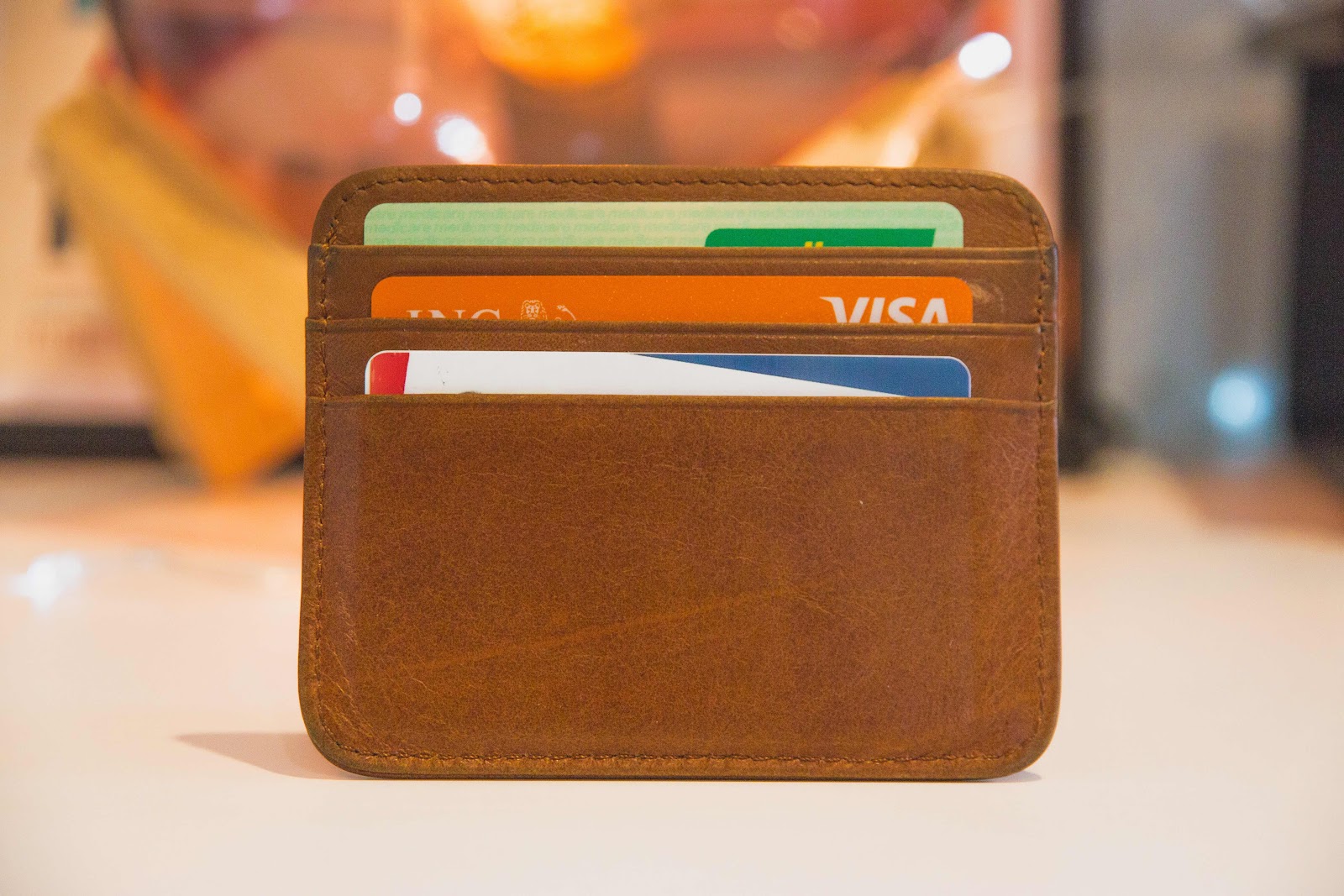
It is understood that early banking was invented around 2,000 BC by Babylonian priests who stored people’s gold for a fee and gradually they realised that they could lend some of that gold to others and earn interest.  Eventually, the system of modern banking was developed in Lombardy in Italy in the twelfth and thirteenth centuries where moneylenders worked on wooden benches to encourage people to save with them and to take out loans. Indeed, the name ‘bank’ comes from the Italian word for ‘bench’.  And if the moneylenders cash ran out then the bench would be broken in half and business would cease.  The rotten bench was declared banca rotta from where we get the word ‘bankruptcy’.

Banks are a remarkable invention as they serve various functions in the community.  Their first function is to store money on behalf of other people.  These are people who deposit their money in the bank and assume that it will be kept safe.  Today, much of that money is stored digitally as in the past ten years the use of actual cash has diminished in British society by seventy percent.  The best example of a bank holding vast fortunes in Britain is the Bank of England which today stores about 400,000 bars of gold worth £200 billion.  It amounts to a fifth of all the gold in the world and if each bar was stacked on top of each other the height would be the equivalent to forty-six Eiffel Towers.  The gold covers over 300,000 square feet which is the equivalent of ten football fields. 


SHARE:

Saturday, March 15, 2025

Self Deception - an interesting tale!


All photos courtesy of Storyblocks

Have you heard the story of the bank robber named McArthur Wheeler in Pittsburgh, Pennsylvania, who was told that if he rubbed lemon juice on his face, he wouldn’t need to use a mask to avoid detection because his face would be invisible to the cameras? This is not a joke; it’s true! He bought a Polaroid camera and a couple of lemons, squeezed them and applied the juice to his face. He then pointed the camera at his face and clicked, rotated the camera and clicked. He finished up with a photo of the ceiling but no image of his face, and he fully believed that the lemon juice did the trick.
SHARE:

Thursday, January 06, 2022

Who can you trust?


All photos courtesy of Unsplash 

When I was a young lad financial institutions were so secure that we thought that it was impossible for one to "go bust". That is probably why I joined one at the age of 20, but here we are in the 21st century and we cannot even trust a financial institution. What is left that is dependable? What worries me is that we are told one day that everything is fine by the very people, who then have to admit that everything has gone wrong so soon afterwards.

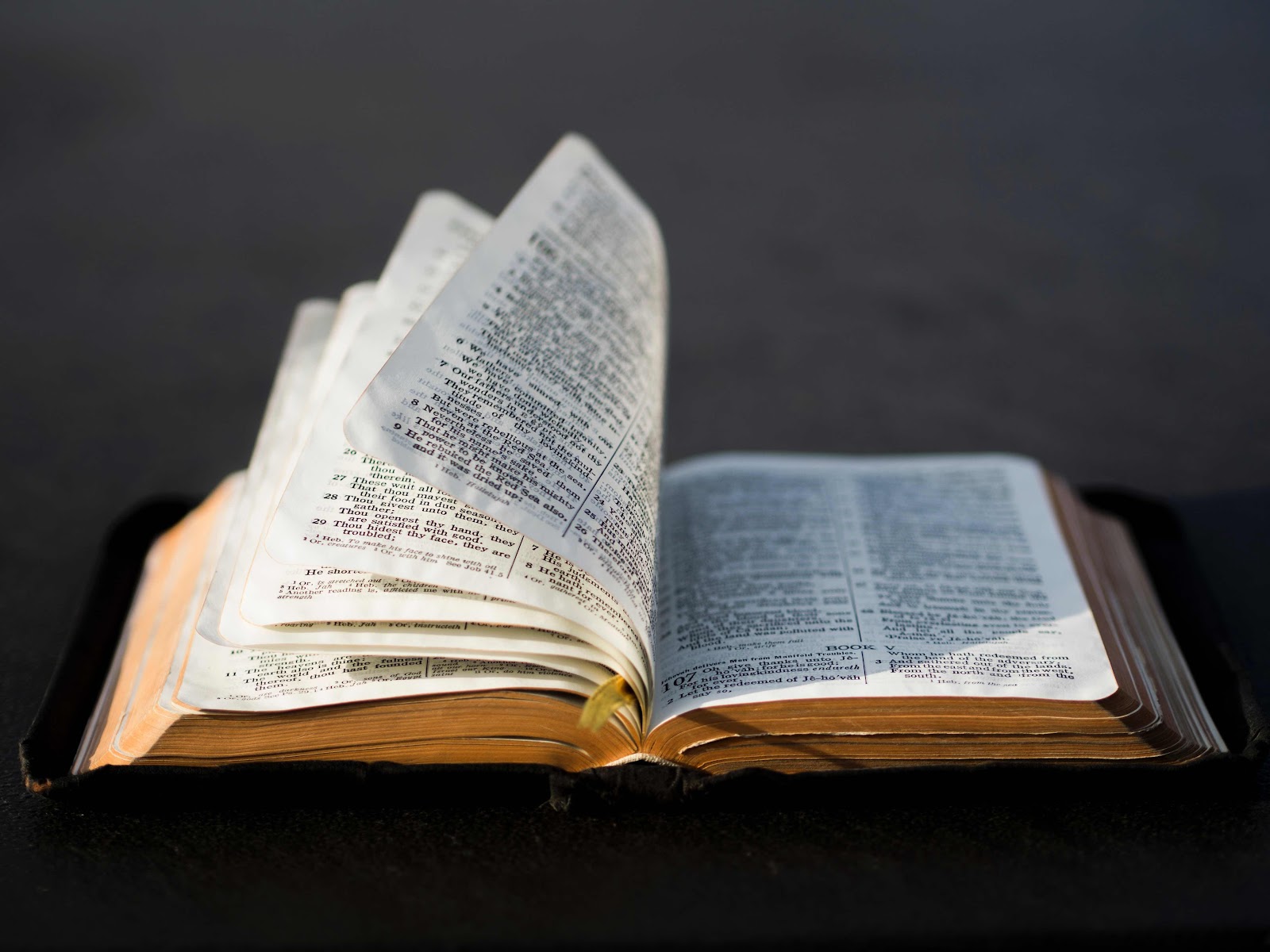
Truth seems to disappear, all for the sake of public confidence in something that is already destined to fail. Well those of you who have been reading these messages for any length of time, will know that I believe that God can be trusted. The Bible affirms that 'God cannot lie' and that the things that He says are 'true and faithful' i.e. they are to be trusted.
SHARE:

Sunday, May 23, 2021

Awesome


The word "awesome" is tossed around a lot these days. When people talk about cars, films, or songs, somebody will say, “That’s awesome!”  The truth is that if we call earthly mundane things "awesome" and then call God "awesome" we diminish how truly "awesome" He is. A friend of mine has a rule in the house—the word "awesome" is reserved only for God – and I really do agree!

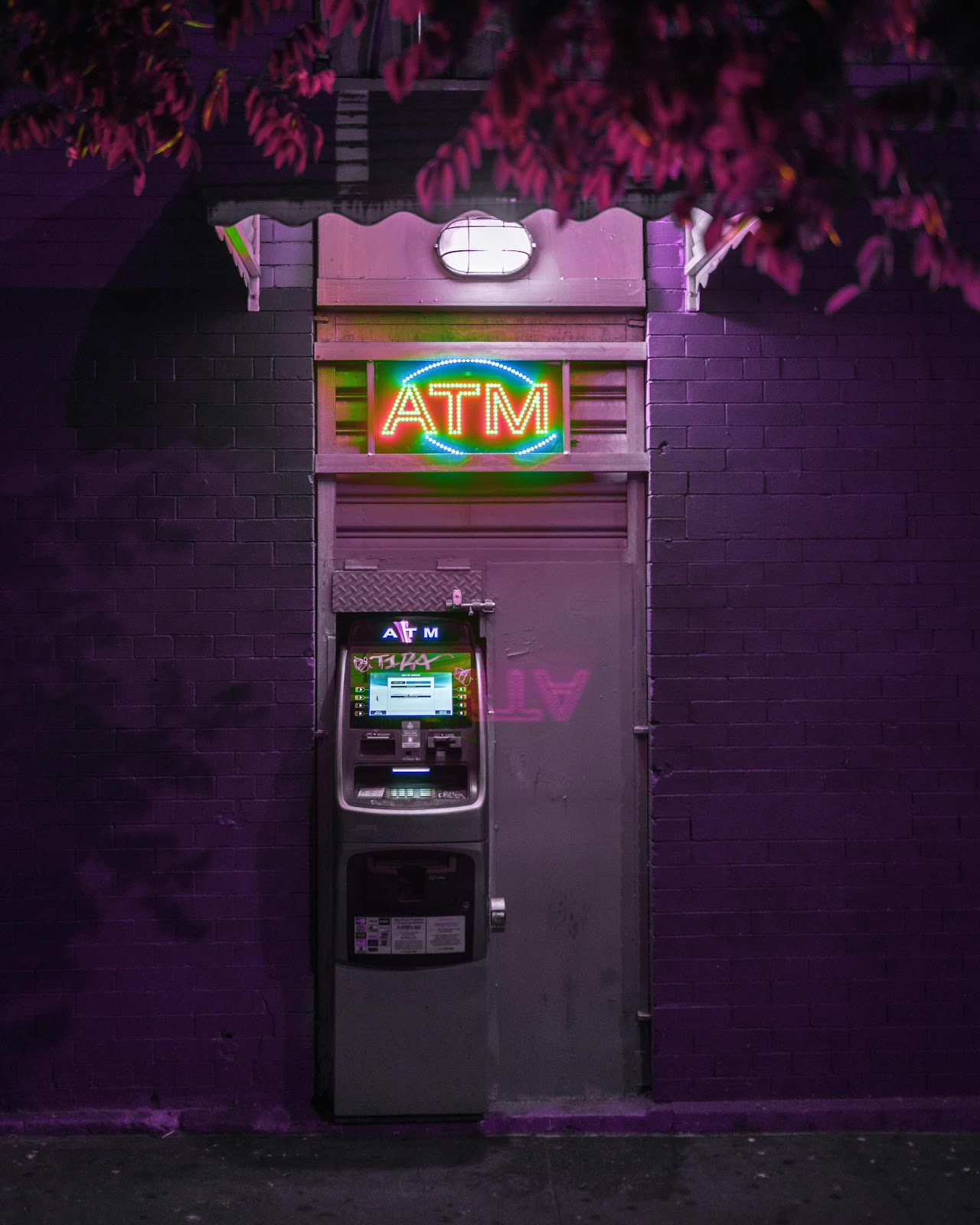
Trivialising God is no trivial matter. He is far more than a companion who will fit into our “buddy system” or a divine ATM responding to our impulses. Until we are stunned by the awesomeness of God, we will be way too impressed with ourselves and lose the joy of the privilege of being able to be part of the family of an "awesome" God.
SHARE:

Thursday, February 15, 2018

Does a debt crisis put you in personal danger?


Is a personal debt crisis dangerous?


It has been alarming to hear not only of individuals in debt, but also news of countries teetering on the brink of bankruptcy has sent a shudder through the entire world. For too long, governments have spent foolishly and have failed to curb reckless investments by banks and financial institutions. The result, precipitated by the credit collapse of 2008, has been that massive debts have been incurred that have left even the International Monetary Fund with worrying problems on their minds and many countries feeling that the problem had reached irremediable proportions.

Austerity measures, deeply unpopular with the citizens of the countries affected, have had to be introduced before financial "bale-outs" could be sanctioned by leading economies. Public services have had to be slashed; public assets have had to be sold off and other draconian measures have been introduced to alleviate, even in a very small way, this mammoth problem. The result has been a debt crisis of unprecedented severity that has left some countries saddled with debts that could never be paid, amounting to many trillions of dollars; figures that are incomprehensible.
SHARE:

Thursday, January 26, 2017

Toxicity and Toxic Assets


Forgive my naivety, but I am perplexed! I was always under the impression that something toxic is poisonous and can prove fatal, whereas an asset is a possession of some value, great or small, for one’s personal or corporate benefit. So what have we got here with this financial media description called 'Toxic Assets'?
SHARE:
Blogger Template Created by pipdig