Saturday, July 18, 2026

How to handle fear


Photos courtesy of Unsplash

In the last month, we have witnessed the coronation of King Charles the 3rd and the ongoing devastation taking place in Ukraine. In addition, the aggressive acts of violence between Israeli and Palestinian forces continue. Shootings and violent crime are a regular part of life in the UK, and in the USA, mass shootings have become the norm, with over 200 in 2023 to date. These events, plus so many more, have a devastating effect on people's lives. People's hearts are failing them for fear, as the 'old book' says, Luke 21. 26.


I often speak to older people. They tell me that they are frightened after they've watched the news. They're anxious. They're worried about what's happening in the world. How do the events that you watch on the news or hear about in your town or neighbourhood affect you? Life can be traumatising and frightening, and many people don't know how to handle or deal with fear and the problems they face.


Some fear is generated because of uncertainty; sometimes, it's because we're out of control, and often it's the pace at which things happen. The other reaction is to be blasé, stick your head in the sand and pretend that nothing is going on. These reactions are not confined to world events - this is how we often respond to events in our lives. It might be in respect of your health, your finances or a relationship. Sometimes we convince ourselves that things will never happen or nothing will ever get worse, but then the reality hits us, and what we dreaded is happening.

SHARE:

Monday, May 04, 2026

Reflections on Elections


All photos courtesy of Unsplash 


Election Choices


Are you excited about the local elections? Many people are, it seems. Politicians and their followers vigorously promise and pledge while criticising the opposition, the media endlessly comment and analyse, and leaflets and flyers are dropped through our letterboxes. It’s all very intense just now!


When polling day comes, each person has to make up their own mind, choosing who or what they think is best for them and for the country by putting a cross in the appropriate space. But afterwards, when people find out that they did not get the choice they made, they are disappointed or even become angry. Their chosen candidate is not elected because another one got more votes.

SHARE:

Saturday, July 26, 2025

Learning Lessons from the Four Seasons


All photos courtesy of Unsplash

The church where I am a member hosts an event for people with memory problems once a month. The aim is to support the carers and individuals increasingly struggling with cognitive-related issues. It’s a great morning and seems to benefit all who come.


At the start, someone does a brief session to ensure everyone is orientated - time, day, month, year, place, season, etc. Most of us need help identifying the season at certain times of the year (usually at the beginning and the end of each season). 


In the United Kingdom, we have four clearly defined seasons, as do ‘most countries at a similar latitude (the same distance away from the equator) to the UK. Other parts of the world may only have two seasons - a winter and a summer, or a wet and a dry season 1. I find it fascinating that despite all the climate change that is suggested, discussed and debated, in the main, seasons are still the same as defined in one of the oldest records of human history, the Bible. Genesis chapter 8 verse 22 records the promise of God to Noah (after the worldwide flood - another event that reoccurs in the history of many ancient civilisations) - ‘While the earth remaineth, seedtime and harvest, and cold and heat, and summer and winter, and day and night shall not cease’.

SHARE:

Friday, July 04, 2025

Is common courtesy common in the UK?


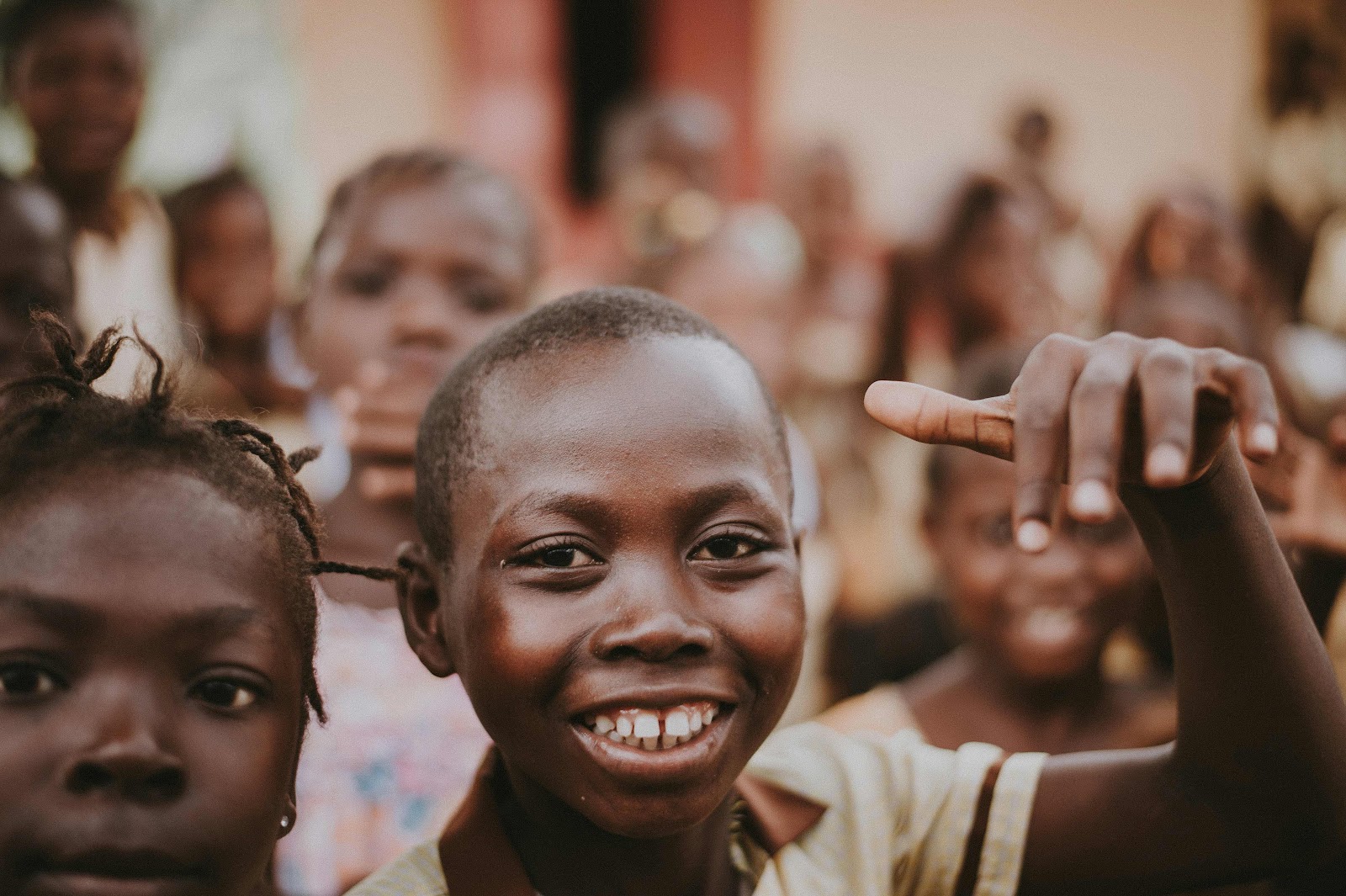
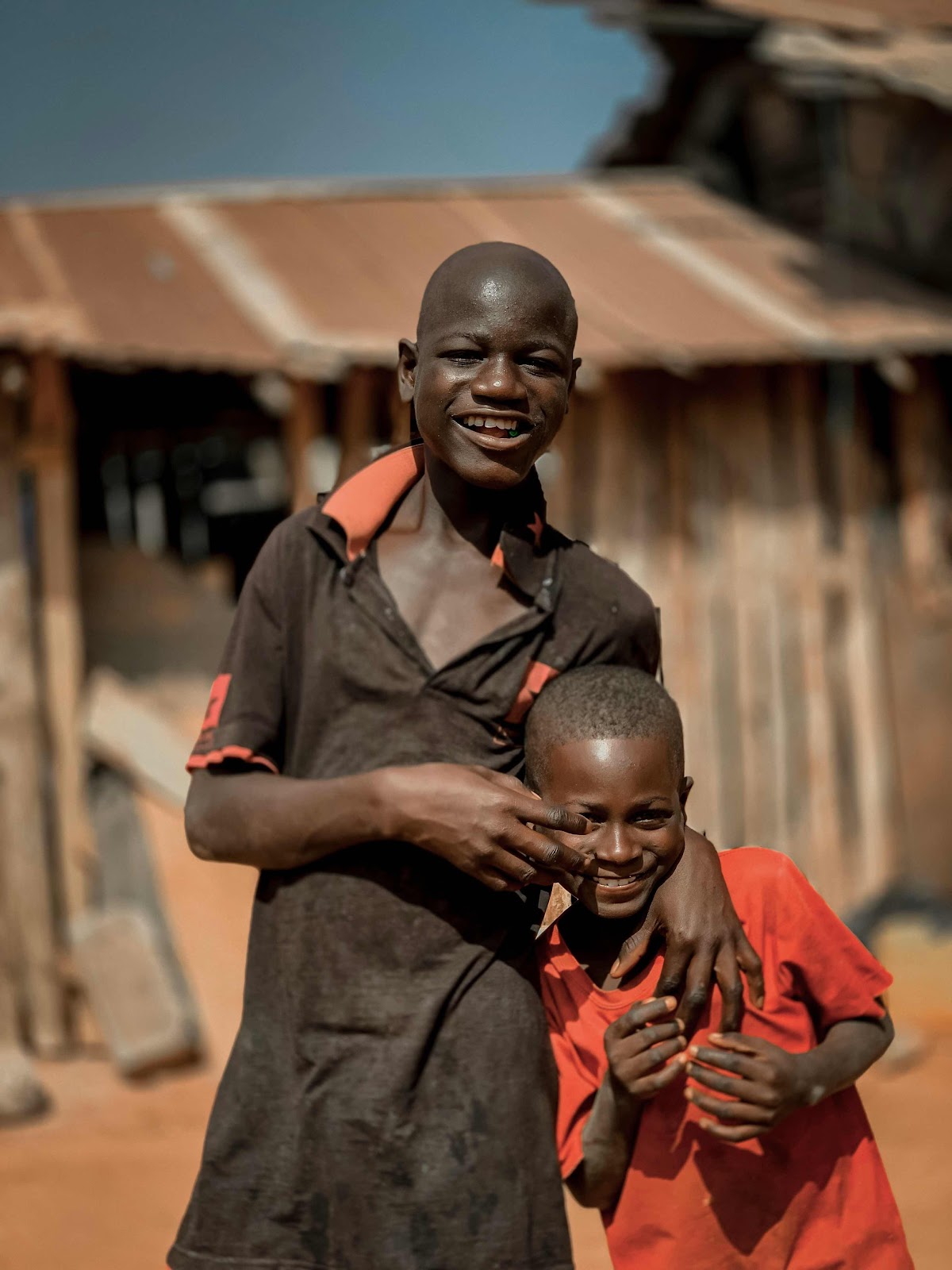
When I wrote this, I had just boarded a flight from Entebbe, Uganda, to Doha on my way home to Liverpool via Manchester. As some of you know, I have worked with a group of Christian churches in Eastern Uganda for the last four years. I try to visit them once a year, have weekly online Bible studies with them, and help co-host a weekly radio program. Every time I leave Uganda, some impressions are reinforced, and fresh impressions are made. For instance, I am always impressed by how gentle and courteous the average Ugandan is (apart from when they are driving, which is another story). Courtesy is a wonderful trait that doesn't cost you anything. In Uganda, it is normal for a child or a young person to shake hands (often using two hands) and lower themselves to the ground when greeting an older person. This is not an act of subservience but an expression of respect. 


In the UK, we need to reteach our children to honour their parents and respect older people, their fellow humans and authority. I am not suggesting that every child in this country is disrespectful. Still, it is becoming a trend that erodes the structures of family, community and society. I don't see myself as that old. Still, many years ago, when I was going to school on a bus if an older person boarded the bus (or a lady or a pregnant mum), we would be expected to stand up and offer them a seat. Even then, people began to resist that expression of respect and courtesy and would often say, 'Son, sit down; you are causing a fuss'. Recently, on the Underground in London, I noted the courtesy of a couple of young Asian men who gave up their seats for ladies - I was impressed.

SHARE:

Sunday, January 21, 2024

Missing Persons


All photos courtesy of Unsplash

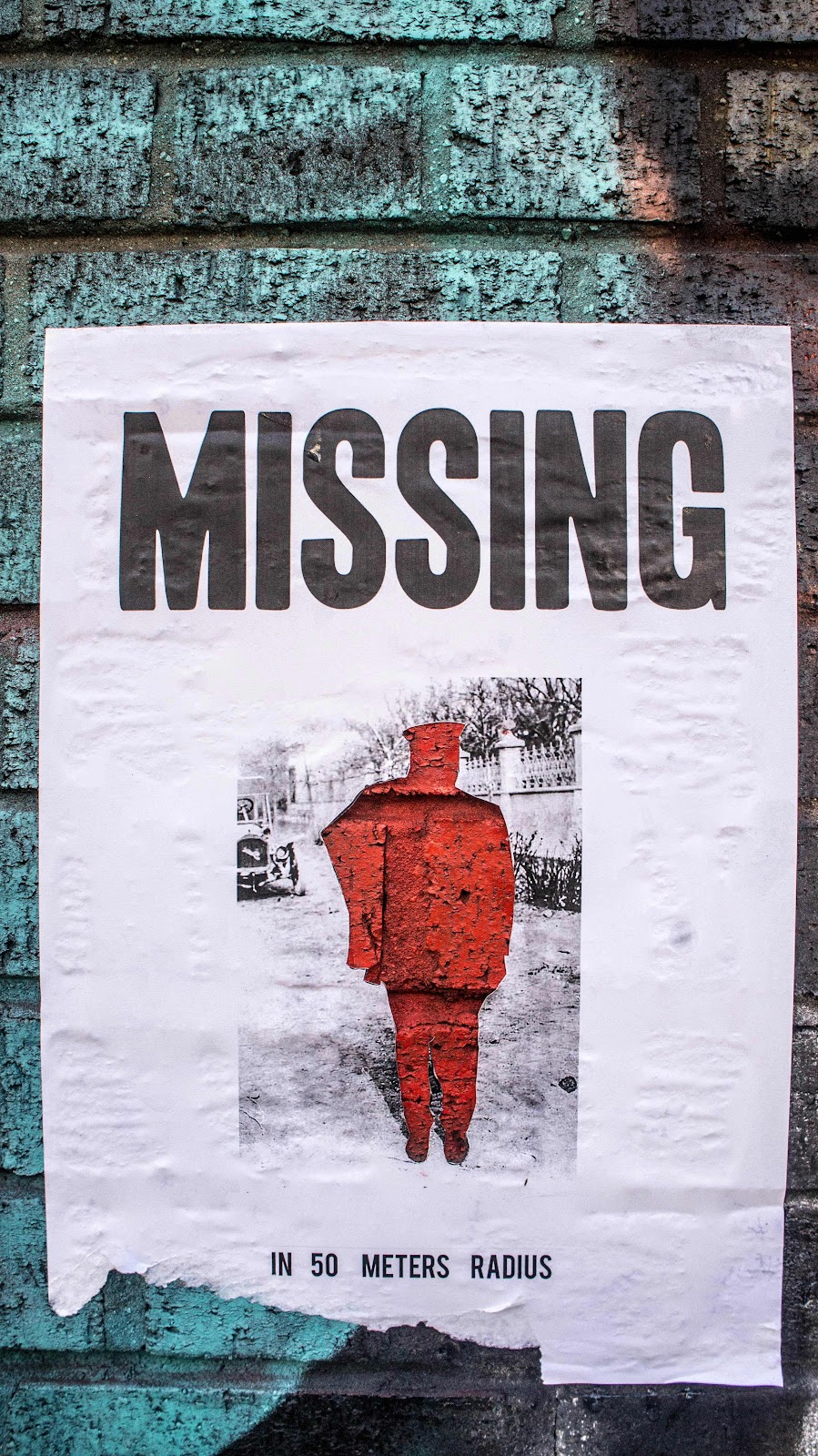
For seventy-five hours no one knew exactly where he was; in fact shortly after his escape some suggested that there was the possibility that he had already left the country. There was an immediate lock-down at Wandsworth prison when it was discovered that someone was missing. For just over three days Daniel Khalife became one of the UK’s most-wanted men until his arrest by a plain-clothes counterterrorism police officer as he cycled in Northholt in west London.

This high profile case was front-page news because of its seriousness, but around 170,000 people are reported as missing annually in the UK, a figure which is considered as an underestimate by charities and the police. There are families who have someone missing and have no idea where that person is; how distressing must that be!

SHARE:

Saturday, June 17, 2023

Crossing the Channel


All photos courtesy of Unsplash

On the 14th of December 2022, we heard yet again the tragic news of migrants drowning in the icy waters of the English Channel as they were making the perilous crossing from France to the United Kingdom. On the 27th of November 2021, twenty-seven migrants perished in one of the worst maritime disasters ever in the Channel.

What is the attraction that lures many to pay extortionate prices to criminal gangs, to climb on board an over-crowded, unseaworthy dinghy and attempt to reach the other side of arguably the busiest and most dangerous stretch of water in the world? Some, admittedly, are merely economic migrants, but others are eager to escape war, genocide, persecution and famine to enjoy an easier life in what they perceive to be a better land. Illegal migration has become a problem of major proportions, and attempts to satisfactorily solve the problem have failed and floundered, with around forty thousand arriving illegally in the UK in 2022. Some gain asylum in the UK and live comfortably, but others discover that their dream was just an illusion, and it quickly became a nightmare.

SHARE:

Saturday, July 10, 2021

Control of our laws and our destiny


Photos courtesy of Unsplash 


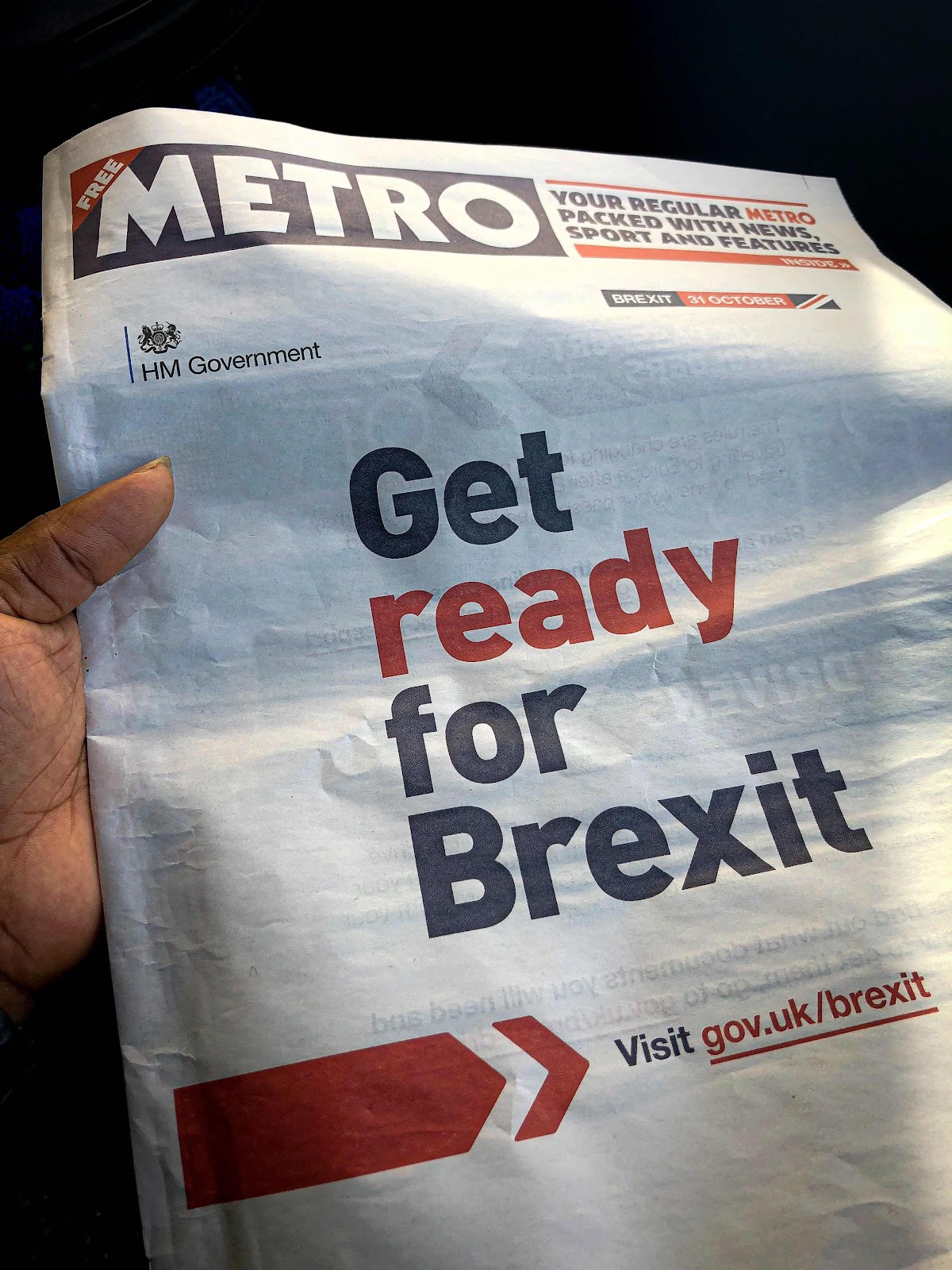
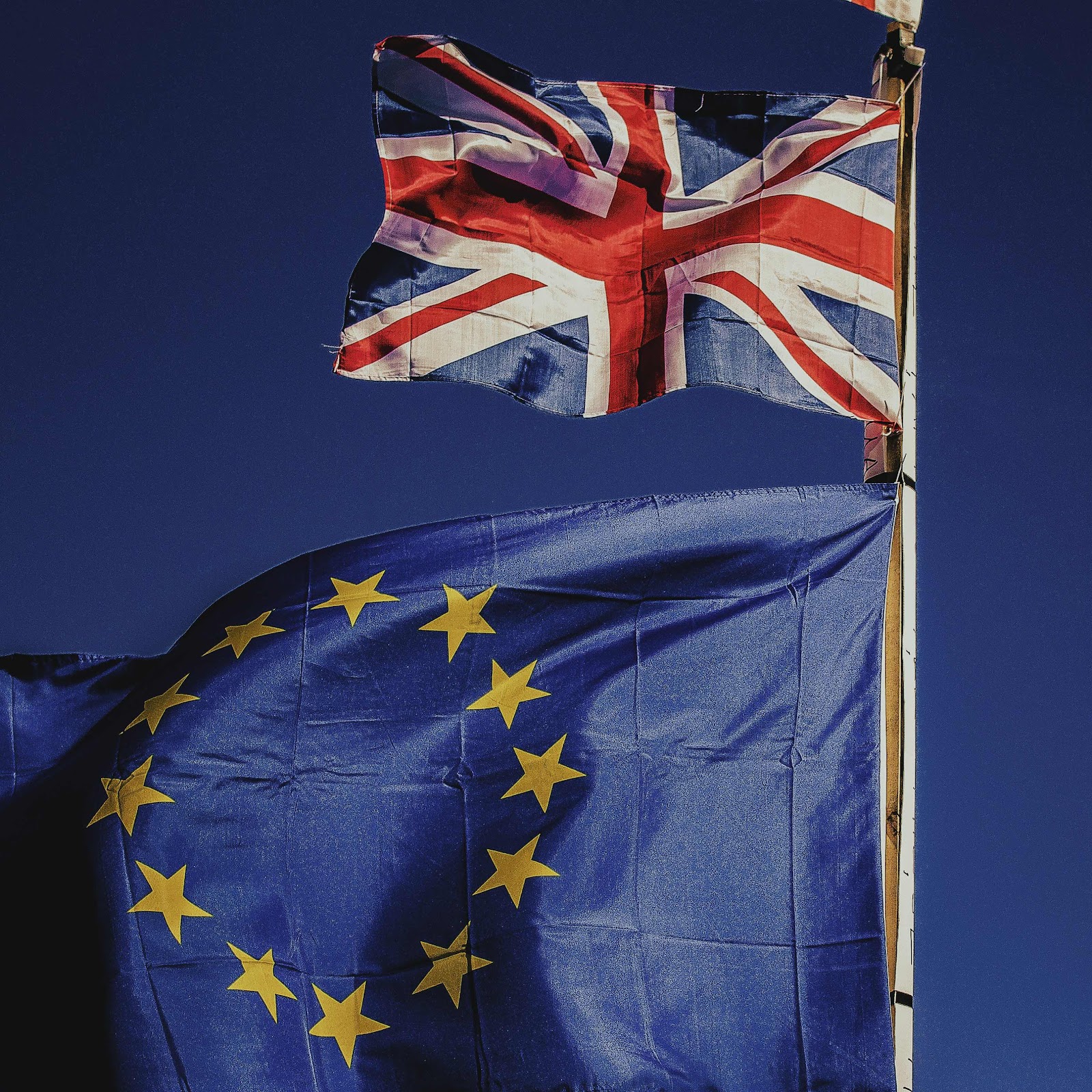
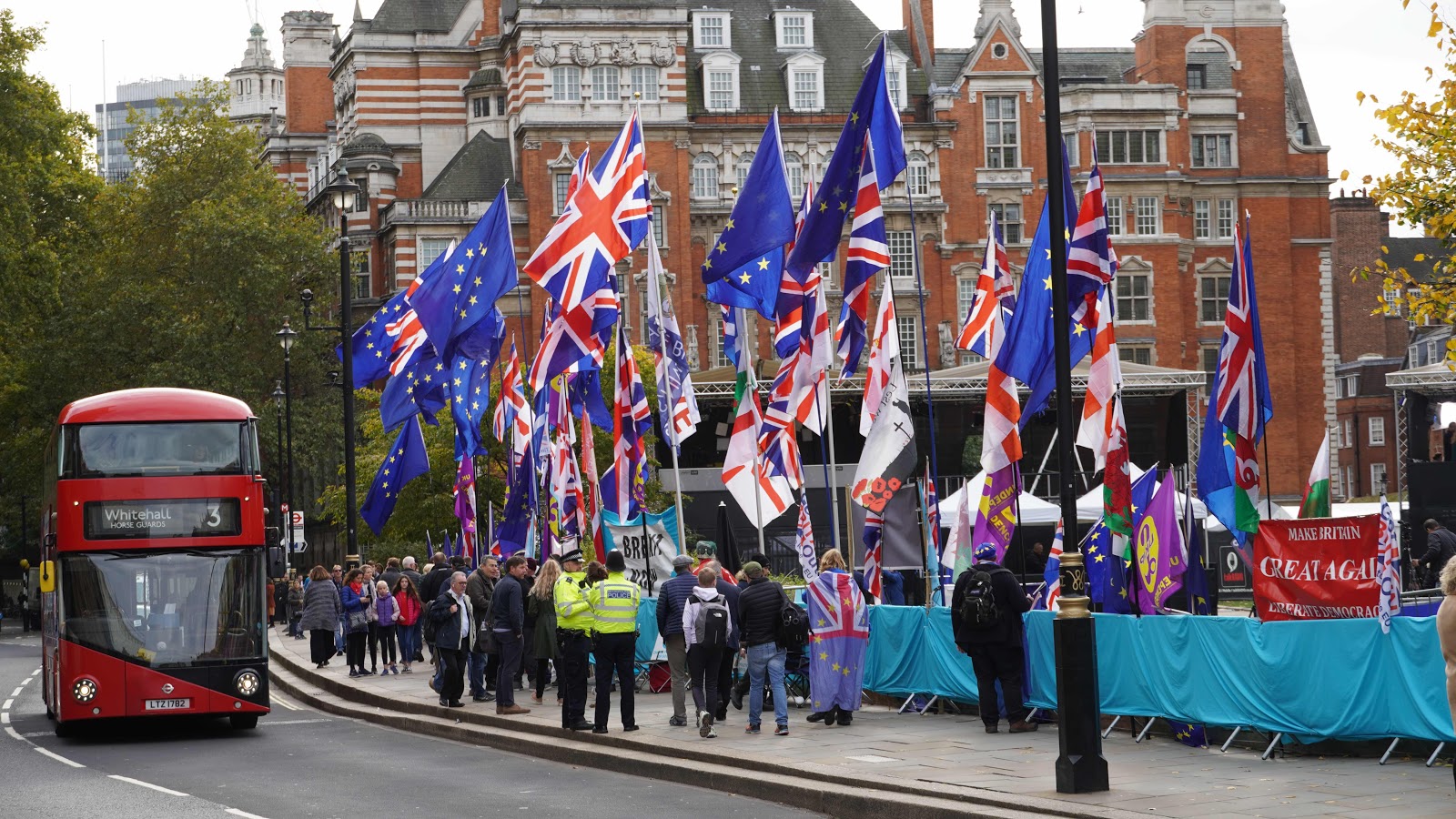
On 24 December 2020, a week before the deadline, agreement was reached between the European Union and the United Kingdom, which avoided a ‘no-deal Brexit’, the UK Prime Minster declared, ‘We have taken back control of our laws and our destiny.’ On reading this, two questions came to my mind: ‘To what extent is that true?’ and ‘What will the destiny be?’ Then I turned to applying these issues to ourselves as individuals. Can we each decide our ‘laws’? Is our ‘destiny’ in our own hands? What is that ‘destiny’?


It does seem that ‘Brexit’ will give the UK greater control over its law-making, and some gladly say that external bodies cannot now ‘tell it what to do’. In personal life, many also like to make their own decisions, and do not want instruction from others on how to conduct their lives. However, no nation can totally do as it pleases as far as its laws are concerned, for there are serious consequences if, for example, it breaks international law. 


SHARE:

Saturday, April 30, 2016

Leaving #London


Doesn't time fly! It hardly seems two minutes since I left home to head for London. Plans made, objectives set and great anticipation as I looked forward to sharing good news with the people of London. 

Realistically I know you cannot reach many people in a two week period. But telling people that they can be forgiven, their guilt can be removed, they can have peace with God is worthwhile whether you tell 20 people or 2,000 people. 


I enjoy the privilege of sharing the gospel. Despite the fact that many people don't want to know! Despite the fact that lots of people get very agitated and angry when I raise the issues of God, Jesus, life, sin, death, our accountability, the day of judgment etc. It raises temperatures and people get hot under the collar. They are often indignant that I have the audacity to talk about such personal and private issues. 


The question is - Are these issues totally private? Are they only for personal discussion? The answer is yes and no! At a very simple level Christians believe that it is essential to warn and help people when they are in danger. That's why Christians have started hospitals, changed laws, developed social improvements and worked for the good of society. 

Imagine if I had the only treatment for a disease and you had the disease but were unaware that you were ill. Would I be cruel or kind if I ignored you and didn't do the following - 1. Make you aware of your illness and 2. Offer you the treatment? Common sense says that even if I am intruding in your private world in the long run I'm trying to help you. 

Here's another example. I am walking away from a cliff edge. Fog has fallen. You are heading towards the cliff edge but you are blind and unaware of both the fog and the cliff edge. What am I going to do? Maintain my distance, ignore you and leave you alone or step across the privacy line and warn you of your potential danger. 

In both cases I think the answer is obvious!

The truth is I am addressing matters of eternal significance. Everything else only affects this life - these matters are enormous as decisions made in this life cannot be reversed when we cross the line of death. 

Personal and private matters often need input from others so that we make good decisions. For instance you consult others when making big decisions in life. Whether it's health, finances, career, relationships and so much more it is almost impossible to make good decisions on your own. We often need input and information from people who know more than us to make good choices. 

So as I close I leave you with probably the most well advertised verse in the Bible - John 3:16. 

"For God so loved the world, that he gave his only begotten Son, that whosoever believeth in him should not perish, but have everlasting life".

If you get the truth of this verse it will literally change you forever. May it be so!


For lots of videos, podcasts, blogs and explanations of the gospel of the grace of God visit www.seekthetruth.org.uk

SHARE:
Blogger Template Created by pipdig