This summer I have been travelling, and on one of my trips, I ended up in Iowa, USA. This is one of the five main farming states in the USA: California, Iowa, Texas, Nebraska, and Minnesota. The farmland stretches for mile after mile; as far as the eye can see! We stayed on a farm, and in one of my jobs (apart from my initial reason for being there, which was to give a series of talks on the Bible), I helped ferry vehicles from the main farm site to the corn fields they were spraying. On another occasion, I sat in a 'Semi' (we would call it a forty-footer or an articulated lorry) on several trips from the corn bins to the depot where the corn was weighed, checked and then offloaded, waiting transport by freight train to various locations to be processed as either renewable fuel (ethanol) or animal feed. It was, for me, a good reminder that it takes hard work, the right weather and a lot of planning and logistics to earn money and make a living. The guys I talked to were very aware that a good year versus a bad one was often out of their hands. They were dependent on rainfall levels, how hot the growing season was, and many other factors. Mostly, it is out of their control. It's significant that people who work the land or are in high-risk occupations (mining, fishing, etc.) are often more aware of how fragile life is and are more down-to-earth.
Wednesday, September 09, 2026
Wednesday, May 06, 2026
The lessons from a humble egg
All photos courtesy of Unsplash
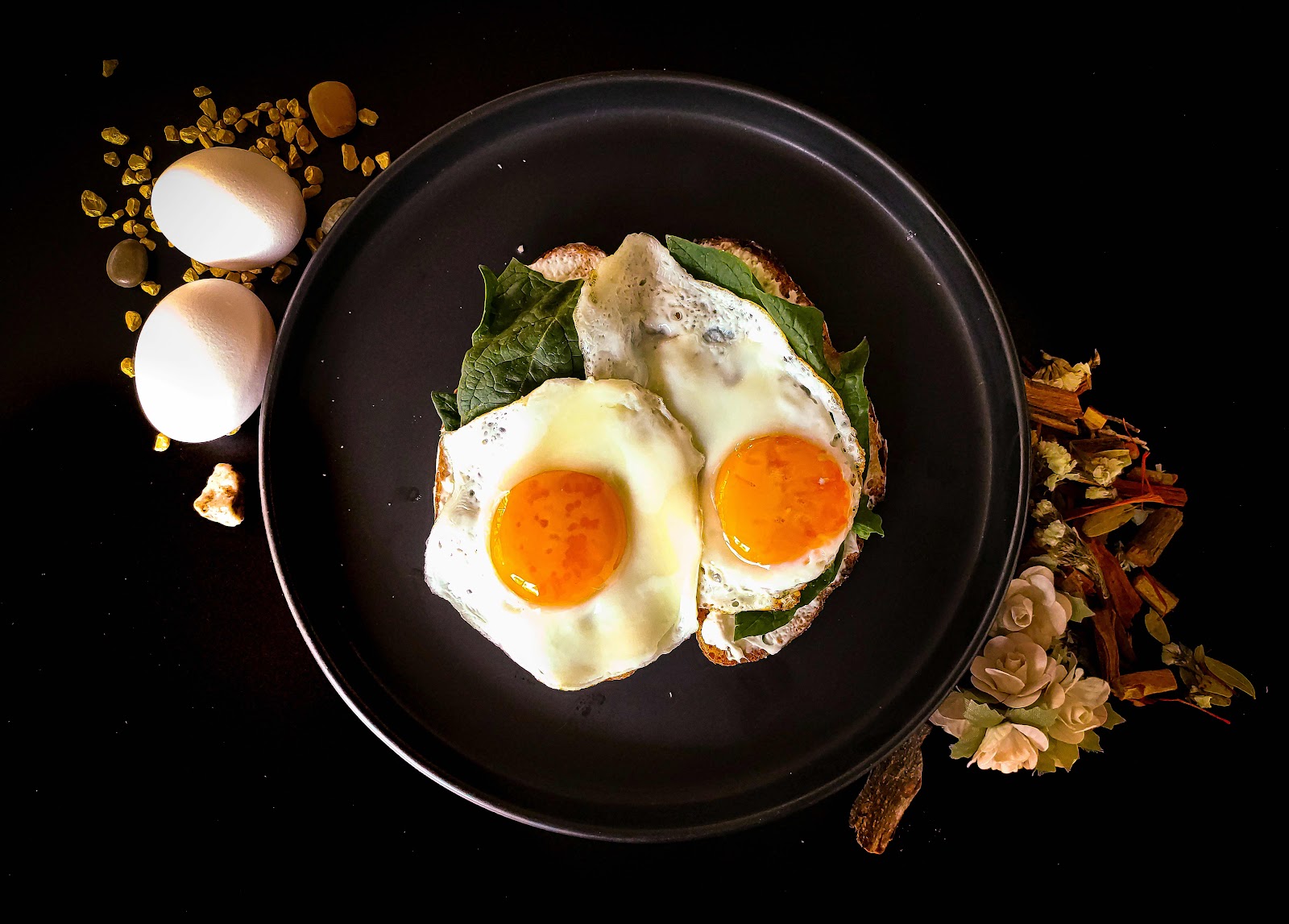
When travelling through the countryside in the past, I often saw notices outside farms, houses and cottages, announcing ‘New Laid Eggs for Sale’. Today, there seem less notices offering eggs in this way. The whole business of delivering the humble egg to the home or food factory has developed into a major industry. Most people don’t realise what is involved in the journey of the egg from the chicken to the dining table.
Nowadays most eggs are purchased from supermarkets or shops or delivered in bulk to food producers; they are not bought on a country road. To supply millions of eggs constantly, there is a whole industry working day and night to meet the demand.
In 1951 in Lincolnshire, a man started his egg business with one hundred and fifty chickens and eight acres of land. In those early years eggs would be taken round to people on a pushbike or sold on a stall in local markets. Over a period of seventy years his family have grown the business until it has become one of Britain’s largest suppliers and packers of eggs. They now have two million free range and organic birds producing millions of eggs each week. In fact, each week around six million eggs are supplied to one of the biggest supermarket stores in Britain. All of this is supported by 40 rearing farms and the business’s dedication to both the quality and welfare of the birds. A nutritionist helps with the provision of an enriched feed diet. This includes paprika and marigold that gives the yolks a deep, rich orange colour.
Subscribe to:
Posts (Atom)