All photos courtesy of Unsplash
I can remember once in my school days being punished by having to stand on tiptoes with my nose above a strategically placed line of chalk on the board. I hated it for several reasons. Firstly, my legs ached after a while, secondly the chalk made me sneeze and thirdly and more importantly I did not do what I was accused of. This made me indignant!
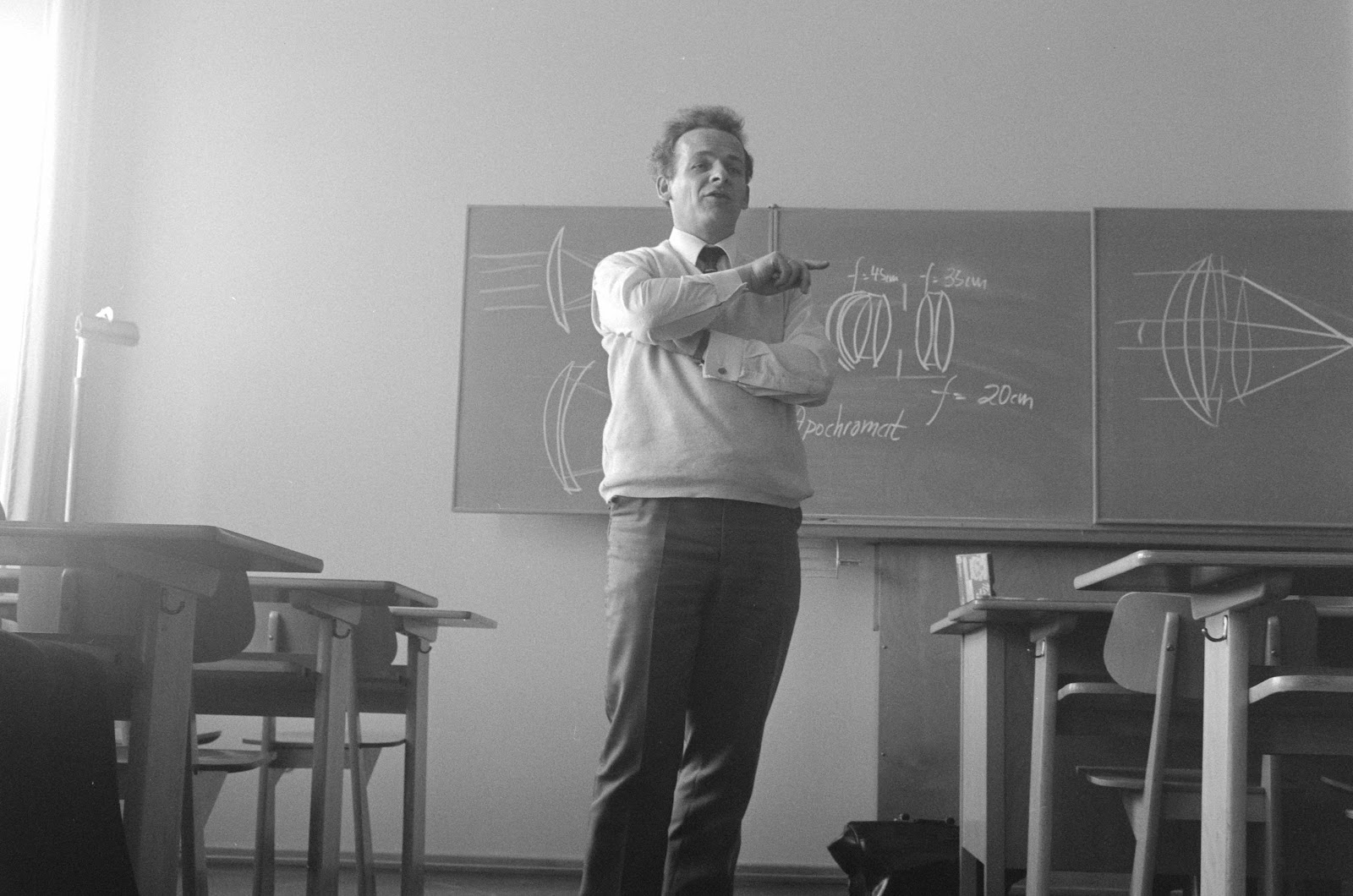
Imagine being punished for something you did not do! I can remember a story that my father told me around about that time. It was of when he was about the same age back in the 1950s. School looked vastly different, no iPads, no computers, and no interactive whiteboards, in fact the boards were black, and chalk was used constantly. The cane was prevalent, and discipline was strict.
A young boy was brought up by his grandmother, he had lost his parents and although his grandmother tried her best, she struggled. He was small, grubby and his uniform had seen far better days. His teacher was kind and often quietly provided some food for him as she was sure that he often went hungry.
One day the teacher returned to the classroom to find her handbag open and so was her purse and money was missing. The teacher was obviously angry and extremely disappointed. She stated that if the money was returned then nothing else would be said. The money was not returned, and no one owed up. She was left no other choice but to call the headteacher. He stormed into the classroom with his gown flowing and the cane in his hand. He swung the cane over the tops of the children’s heads and the ‘swoosh’ sound made each one of them fear greatly. After his fearsome routine yielded no result, the headteacher demanded that the whole school assembled in the hall. Here he repeated his antics and declared that because of what had taken place someone would receive six of the headmaster’s best!
A deathly hush fell over the hall, no one spoke, nobody dared! After what seemed like an eternity, sobbing could be heard from the corner of the hall. It was the young poor boy, who everyone felt sorry for, but not apparently the headteacher, who took this as an admission of guilt and hauled him up onto the stage. He demanded that he turn out his pockets to no avail. Then roll down his socks, as he rolled down his left sock, out fell the money. With no further ado, the headteacher raised his cane high above his head to strike the child. The pupils winced waiting for the impact, even some of the teachers turned away.
Suddenly, a cry of ‘Stop!’ was heard from the back of the hall, everyone turned to look. Who dared to shout at the headteacher?
Walking slowly to the front was an eleven-year-old boy, the biggest boy in the school, the captain of the rugby team, but nevertheless, just an eleven-year-old boy. The headteacher glared at him. Slowly, with a trembling voice the boy spoke, ‘Sir, you said that someone had to receive six lashes with the cane because of what was done.’
The headteacher nodded!
‘Sir’ the boy continued, ‘let it be me not him.’
The older boy held out his hand and turned away so that no one could see his tears and the headteacher caned him instead.
The little boy would never have forgotten that, and neither did all the staff and children in the school that day. My father was sat in that hall and he certainly remembers how that heroic boy took the punishment for another.
The Lord Jesus took our punishment in His own body on the cross, He was perfect and deserved no punishment whatsoever. We on the other hand deserve the wages of our sin. What is our reaction as He took our place and received our punishment? Do we repent and turn from our sin? Do we trust in Him and what He has done for us? Do we worship Him for His demonstration of love to us?
Messages with Meaning (31/03/21) Written by Stuart Scammell for Your542Day