
 All photos courtesy of Unsplash
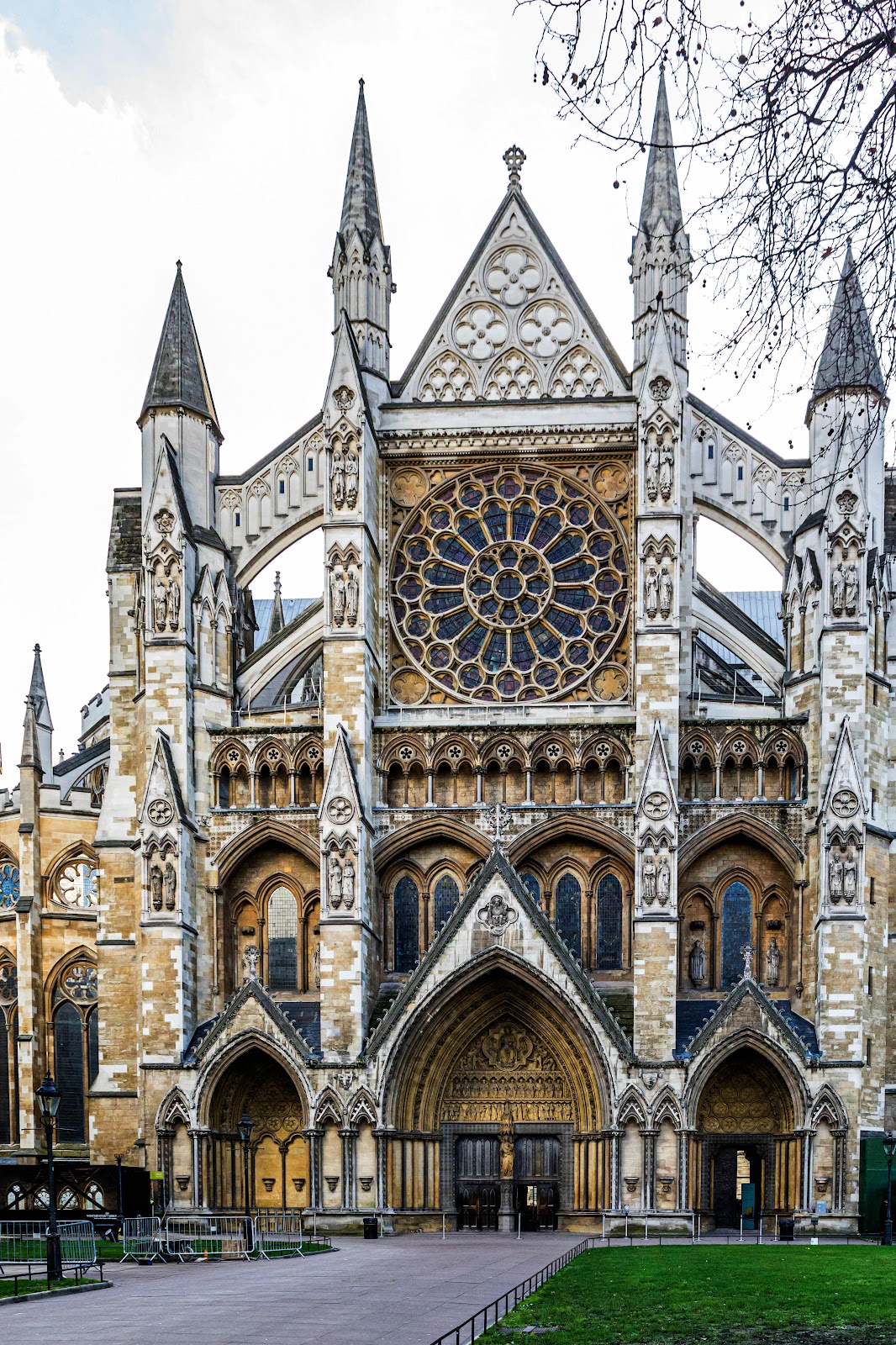
The coronation of King Charles III was watched by a peak TV audience of around 20 million viewers in the UK, while many thousands lined the route of the royal procession in London, supervised by 11,500 police officers. Inside Westminster Abbey just over two thousand guests, including Presidents, Prime Ministers and Kings and Queens from other nations, respectfully watched the ceremony. The steadily falling rain could not dampen the spirits of the crowds, many of whom had camped out for hours to secure a prime location from which to get the best possible view of the pomp and pageantry.
While so many were eager to be present and show their appreciation and support for the King, there was a comparatively small but vocal number of protesters who left no one in any doubt that they had absolutely no respect for the man who was going to Westminster Abbey to be crowned King. They held their placards aloft with a simple, unambiguous message inscribed on them: “Not my King”. They wanted to make it abundantly clear that they had no allegiance to this Monarch and no love for the Royal Family. Their boos and chants were drowned out by the overwhelmingly larger numbers who joined in the singing of the National Anthem and cheered enthusiastically as the procession moved past.A similar scene was enacted almost two thousand years ago, but on a much grander scale. Pontius Pilate, the Roman Governor, was interrogating a prisoner in Whom he could find no fault and therefore he was unwilling to punish Him and desired to release Him. He said to the multitudes of Jews who had thronged the narrow streets of Jerusalem outside the Praetorium, the Governor’s palace where he conducted many trials, “Behold your King!” John 19.14. The immediate response, without delay or dissent, from the amassed crowds was, “Away with Him, away with Him, crucify Him … We have no king but Caesar” John 19.15. The loud, angry voices conveyed a unanimous message of total rejection of this King, the Son of God. Shortly afterwards that innocent, sinless Man Whom the world refused was led, cross-laden and thorn-crowned, to Golgotha, to be put to death by the most cruel and violent method of execution: crucifixion. This world is stained with the blood of Christ and is guilty of His murder.