Sunday, August 02, 2026
A scientist decides that there really is a God
Monday, February 02, 2026
Can you still trust the Bible? - The Chester Beattie Collection
Tuesday, November 11, 2025
Through the Bible in 66 Days - 2 Samuel
Everybody loves a hero. King David was brave and handsome a brilliant musician, poet, leader and warrior. He was everything a good king should be. He loved God, ruled fairly, obeyed God’s commands and brought wealth, peace and joy to the people. But his story reminds me that the higher we rise the further we can fall.
In the story of second Samuel we are confronted with the sins of David and the subsequent consequences for him and his family. He slept with another man’s wife, got her pregnant and then planned the man’s death so nobody would find out. He ended up
marrying her. His family was torn apart by these terrible choices. When He eventually repented of his sin, God forgave him but his rule as a king was never the same again. In fact, as you trace his family records we discover that the family suffered many things as a result of David’s sin.
So, what can we learn from a king whose life was a mixture of success and fear, good and bad, love and hate, inner peace and turmoil?
Wednesday, October 01, 2025
Through the Bible in 66 Days - Exodus
![]() |
The Book of Exodus narrates one of the most thrilling stories in history. It follows the Book of Genesis, which left us anticipating the arrival of someone who would come to rescue the world. This figure is beautifully foreshadowed in the character of Joseph and other prominent heroes from that book.
However, before this rescue can unfold, God must first save His people, Israel, from a serious predicament. At the end of Joseph's life, the Israelites are growing and multiplying rapidly in a foreign land, posing a potential problem on the horizon—a nation developing within a nation.
Soon, an Egyptian king arises who is unfamiliar with Joseph's legacy. He chooses to enslave the Israelites, believing himself to be greater than God. Throughout history, there have always been individuals who think they are above God, but they eventually face His might and are humbled. We will see a similar occurrence later in the story of Daniel and Nebuchadnezzar in the Bible.
Exodus depicts one of the greatest showdowns in world history: the most powerful man on earth against the God of heaven. This confrontation escalates with plagues of blood, boils, hail, thunderstorms, locusts, and darkness, culminating in the death of the firstborns. The battle continues until God parts the Red Sea, creating a path to freedom, and then closes it upon the Egyptian army, destroying them entirely.
Tuesday, August 05, 2025
What is the point of resting?
All pictures used by permission of Unsplash
Tuesday, January 23, 2024
God is never too busy to answer your call!
Tuesday, October 10, 2023
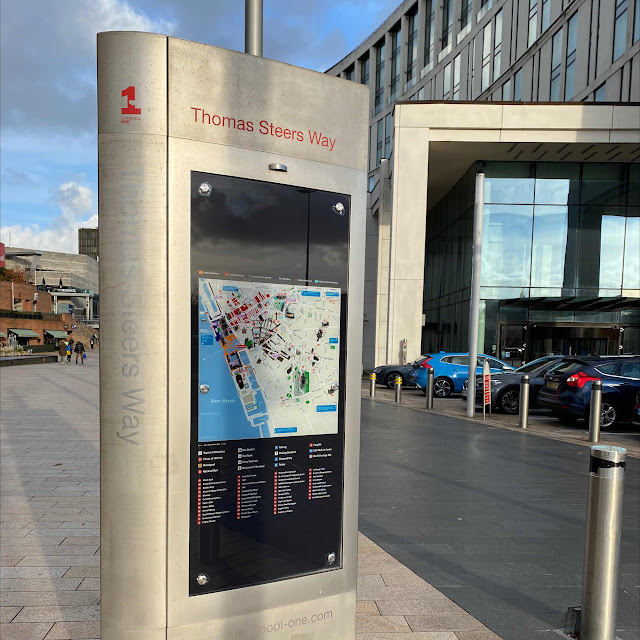
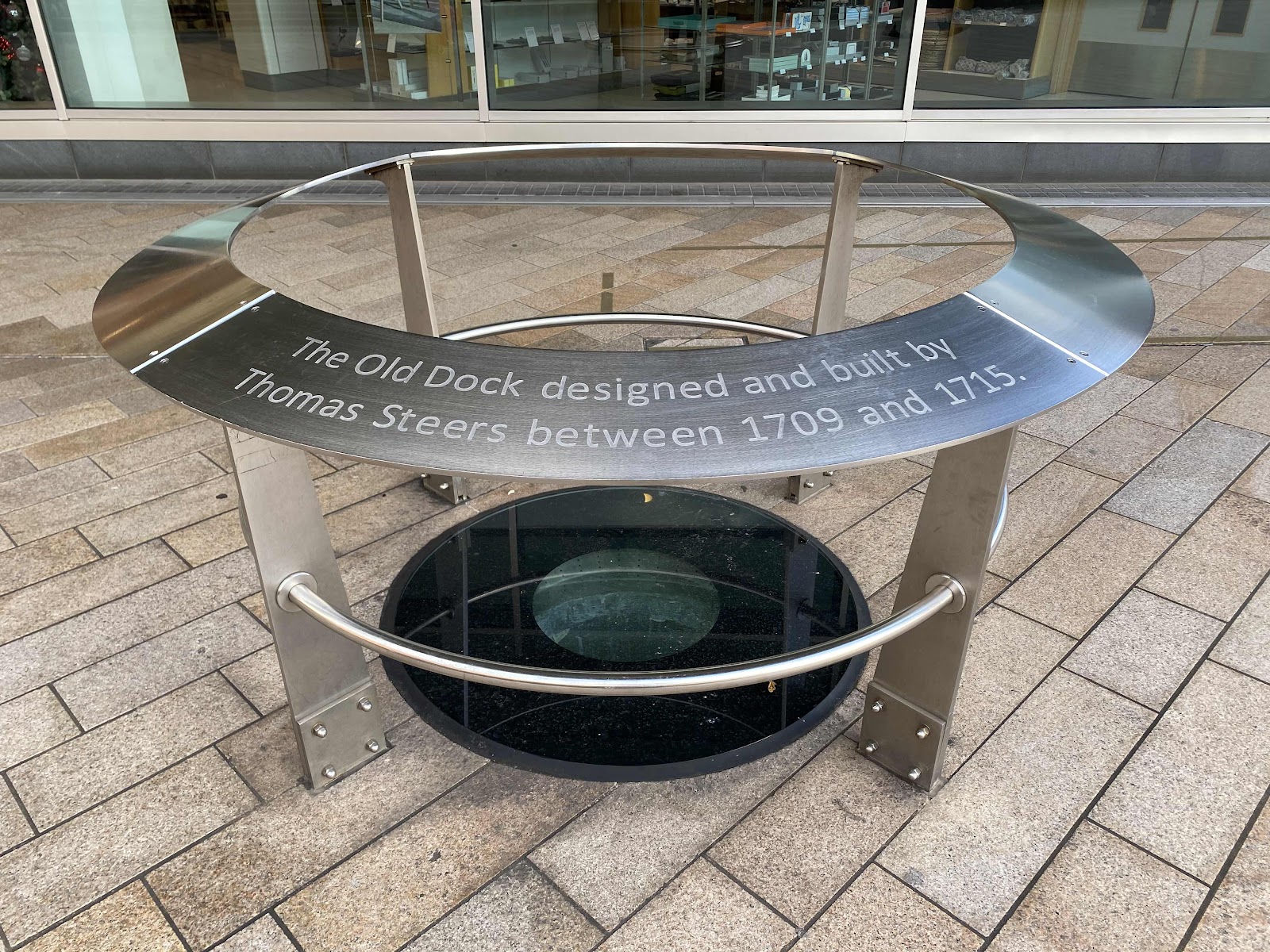
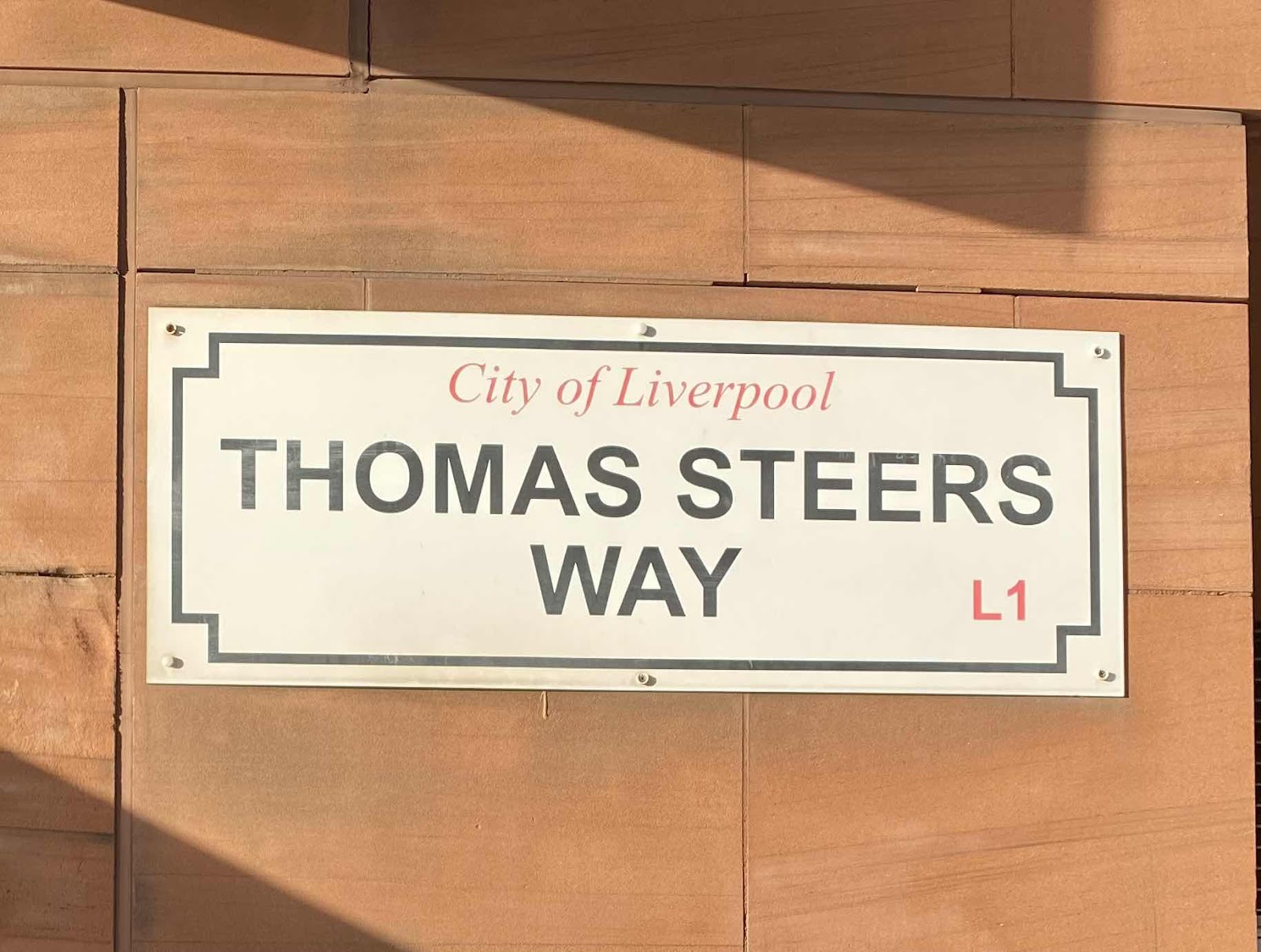
Thomas Steers of Liverpool
Photos courtesy of GJA Ltd
Thomas Steers was born in 1672, probably at Deptford or Rotherhithe. He is thought to have had a good education, in view of his obvious skills in mathematics, and he joined the army during his teenage years. He was part of William of Orange's4th Regiment of Foot (The King's Own), which fought at the Battle of the Boyne in 1690, and subsequently campaigned in the Low Countries against the French until the Peace of Namur was signed in 1697. He probably learned about hydraulics at this time, a skill that served him well in later years. In 1698 or 1699 he married Henrietta Maria Barber, and her father gave them a house in Queen Street, Rotherhithe.[1]
At the time, the Great Dock at Rotherhithe was being constructed, on land leased from Elizabeth Howland, which formed part of the Howland Estate. There is no record of Steers's direct involvement in the project, although he produced a survey of the completed docks in 1707, and seems to have been employed as a surveyor for the estate. A lease agreement at the time described him as a house-carpenter.[2]
In 1708, plans for a dock at Liverpool, similar to that at Rotherhithe, were formulated, and had been drawn up by George Sorocold and Henry Huss by mid-1709. Neither man accepted the offer to act as engineer for the construction of the docks. On 17 May 1710, the Town Council learned that Steers was in Liverpool, and had his own designs for the project, which involved reclaiming land from the Pool, rather than building the dock of existing land. The precise reason for Steers' arrival in Liverpool is not clear, but may well be connected to the rise to power of James Stanley, who became mayor in 1707 and Lord Lieutenant of Lancashire until 1710, and who had noticed Steers in Flanders, while commanding the 16th Regiment of Foot. Steers' design was accepted, and the construction was overseen by him, assisted by William Braddock. He also contracted for some of the excavation work, and although it was incomplete at the time, the dock opened for shipping in 1715. A tidal basin and three graving docks or dry docks were authorised by another Act of Parliament obtained in 1717, and during their construction, various alterations and extensions were made to the original dock. The works were completed in 1721. Since 1717, Steers had also acted at Dock Master, for which he was paid £50 per year, and Braddock had been the Water Bailiff. From 1724, he took over Braddock's role as well, though was no longer paid, as this post included a number of perks and fees.[3]
Concurrently with his work on the Liverpool Docks, Steers was active in other projects. He surveyed the rivers Irwell and Mersey from Bank Quay at Warrington to Manchester in 1712. An Act of Parliament authorizing the Mersey and Irwell Navigation was passed in 1721 and the work, which included eight locks in a distance of 15 miles (24 km) to overcome a rise of 52 feet (16 m), was completed about 1725. It is generally believed he was the engineer.[4] The authorising Act named him as one of the Undertakers.
He also made surveys for the Douglas Navigationwhich connected the Ribble estuary to Wigan in 1712, and was again named as an Undertaker in the Act of Parliament obtained in 1720. He built a lock and a bridge, straightened a section of the river, and started the construction of a tidal lock, but his partner William Squire, who was raising finance for the scheme in London, became involved in the South Sea Bubble, and appears to have lost most of the money he raised.[3] With the money gone, Steers moved on. The navigation was eventually completed in 1742, and carried coal from Wigan to Liverpool and onwards to Ireland by ship.[5]
His most significant navigation achievement was the Newry Canal, in Ireland, which was the first summit-level canal in the British Isles. The promoters asked him to act as engineer for the scheme in 1729, but then declined to pay him the fees he requested, and so the initial construction work was overseen by Edward Lovett Pearce. Pearce died in 1734, and his assistant Richard Castle took over the role. Steers returned to the project in 1736, when he conducted a survey of the existing work. Castle was sacked in December 1736, and Steers then supervised construction until 1741, working on a part-time basis. The work took longer than expected,[6] and the canal finally opened in the spring of 1742. The 19.4 miles (31.2 km) of canal included 13 locks, and ran from Newry, where it connected to Carlingford Lough and the sea by a narrow channel, which was made into a ship canal in the 1760s. At its northern end it ran to Portadown where it joined the Upper Bann River to reach Lough Neagh. It was built to transport coal from the Tyrone collieries to Dublin.[7]
In order to build locks with a larger fall than was possible with conventional gate paddles, Steers built two of the locks with sluices and ground paddles, which fed water into the bottom of the lock through the side walls. Water supply for the summit level was taken from local streams, supplemented by water from Lough Shark, which was used as a reservoir. As a whole, the work was not well executed, and the innovative locks had to be rebuilt soon after 1750.[6]
Besides his work on docks and canals, Steers was involved with a wide range of other projects. Even the Mersey and Irwell Navigation and the Douglas Navigation were promoted not just to make carriage of existing trade easier, but to generate new trade which would contribute to the prosperity of the region. Jointly with Sir Cleave Moore and Sir Thomas Johnson, he promoted the Liverpool Waterworks in 1720. He set up a smithy making anchors near the Liverpool Docks, and was a partner in the Dove, a ship which traded between Liverpool and the West Indies.
He appears to have been a keen amateur architect (before that term was in popular parlance) and as well as the work on Liverpool Old Dock, executed alongside chief mason Edward Litherland, is paid in the accounts of The Blue Coat School (1715) once again with Litherland, "a new Street, called Chorley Street or Squire's Garden" (1720), St. George's Church (1725) (Litherland cited as mason) and what would become Salt House Dock once again winning the contract along regular collaborator Litherland. Their working relationship ended with Litherland's death in 1739. His best known architectural work was that of "Seel's House" on Hanover Street, Liverpool which would later become a bank before making way for the Liverpool One Tesco supermarket. It is highly likely that he designed a number of other buildings in Liverpool, no longer extant, including buildings on Paradise Street.
In 1725 he became a commissioner for the turnpike road from Prescot to Liverpool, and drew up plans for St George's Church on the site of the Liverpool Castle. He subsequently was responsible for the construction of its foundations and steeple. He built houses for poor and destitute seamen in 1739, and opened the Old Ropery Theatre in the following year.[8]
Steers became a Freeman of the town of Liverpool in 1713, and served on the town council in 1717. In 1719 and 1722, he was a Town Bailiff, became mayor of Liverpool from 1739 to 1740, and was an Out-burgess in Wigan in 1746. He was responsible for the fortification of Liverpool during the Jacobite rising of 1745.
Steers' first marriage to Henrietta Maria ended in 1717 with her death. Of their seven children, four died in childhood, while the other three are thought to have become seamen, and all had died by 1732. In 1719 he married Ann Tibington, who came from Rotherhithe and was the widow of a seaman. She had a son called John, and they had four children of their own, two of which died in childhood. He died in 1750, and was buried in the grounds of St Peter's Church. His only surviving son, Spencer, carried on his anchor making business after his death.[9]
There was also a Thomas Steers, lime burner of Greenwich (probably the owner and/or digger of "Jack Cade's Cavern" and of a nearby sand mine) who was born about this time and in the right area, but who was probably not the same person. Other Steers were involved in pottery. This hints at an extended Steers family with interests in kilns and building mortar.
Despite his considerable contribution to civil engineering, his death went almost unnoticed, although the civil engineer John Smeaton, writing to the Calder and Hebble Navigation in 1757, noted that Steers was an esteemed man of character and ability in his profession. He built the first successful commercial dock in the world, and the United Kingdom's first summit level canal. He trained his assistants well, as several went on to have illustrious careers of their own. Above all, he understood his work in its wider social context, being active in the politics and trade of Liverpool, and understanding the need for the town to be well-connected to its hinterland. His work paved the way for Liverpool to become one of the world's greatest ports, and was a contributory factor in the industrial revolution which began shortly after his death.[10]
I find the history and story of people’s lives very interesting. The final comment that ‘his death went unnoticed’ is quite sobering. It is possible to live your life well, to do great things, and to make a significant impact on your world and yet to die unrecognized and unnoticed. I must clarify that this is ‘unnoticed’ by the world for the Bible teaches that you will never die unnoticed by God.
From the moment of your birth to the date of your death your life is significant. There are numerous statements and verses in the Bible that make this clear.
Starting at the beginning of the Bible we read that humans were made in the image of God - Genesis 1. 26.
In the middle of the Bible, David the great poet king states that God knew him individually before he was born (Psalm 22. 9,10) and was aware of the highs and lows of his life (Psalm 139).
In the New Testament, there are also men who we learn God had involvement in their lives from before birth (John the Baptist, Luke 1. 5-25, Paul, Gal. 1. 15). The interesting fact about Saul of Tarsus who eventually became a Christian (and became known as Paul the Apostle) is that he was anti-Jesus and anti-Christianity until God personally intervened in his life (Acts 9, 22, 26).
In light of these facts, I suggest that we need to focus on timeless truths and do things with our lives that will not just outlive us but be of eternal value and significance.
This life is temporary and so are the things that you can see around you but there are unseen things that are eternal (2 Cor 4. 18).
Do you have eternal life?
Are you living merely for the ‘here and now’ or for what is timeless and eternal?
Finally, a verse from the Bible that explains how humans receive eternal life from God, their creator.
“For God so loved the world, that He gave His only begotten Son, that whoever believes in Him shall not perish, but have eternal life,” John 3:16 (The Bible - NASB)
Wednesday, August 30, 2023
Look at the Bible for yourself.
My advice - take a look at the Bible for yourself.
Don’t just take my word for it. See for yourself if it makes sense. I believe that the Bible changes lives through faith in the author (God). My view reflects what the Bible claims - for instance in 1 Timothy chapter 3 verse 15 it states 'from childhood you have been acquainted with the sacred writings, which are able to make you wise for salvation through faith in Christ Jesus'. Another passage says 'faith comes from hearing, and hearing through the word of God,' Romans 10. 17. The fact is that many people are afraid to read the Bible because they don’t know what it is about and they either don't care or are frightened that it might get to them.
Let me ask you some questions.
What if everything you need for living, this life and the next, is in the Bible?
What if God is the creator and you are answerable to Him?
What if we are all sinners and need redemption, forgiveness and a new beginning?
What if we can't make sense of this life without God, and He really is the missing piece that we need?
We were created to know Him and to worship Him. I have gone off my 'what if's' because I believe what I am saying is true and you need God in your life. At the end of the day the only reason you will miss out is because you never got around to reading the Bible. You never evaluated whether Jesus is who he claimed to be. You didn't take the time to look into who Jesus was, why he died, why people died for the belief that He rose from the dead and why He is still being talked about 2020 years later.
Thursday, April 27, 2023
Preserving the Bible - The British Museum
All photographs courtesy of Unsplash
In the British Museum in London is one of the most wonderful of ancient manuscripts and it is a copy of the Bible known as Codex Sinaiticus. Today it is carefully preserved by the experts of the Museum but during its history, it was very close to destruction.
A German scholar named Tischendorf discovered it and incredibly he spotted the Codex amongst waste material that was being used for lighting fires in the Monastery of St. Catherine on Mount Sinai in 1844 and he saved it from being burnt and destroyed. The monastery presented the codex to the Czar of Russia in return for certain favours and decorations. Later it fell into the hands of the Soviet government following the Russian revolution. As an atheistic regime, they had no interest in Biblical material and were prepared to sell the codex and so it was purchased for the British Museum through public subscription in 1933 for £100,000.
Saturday, May 21, 2022
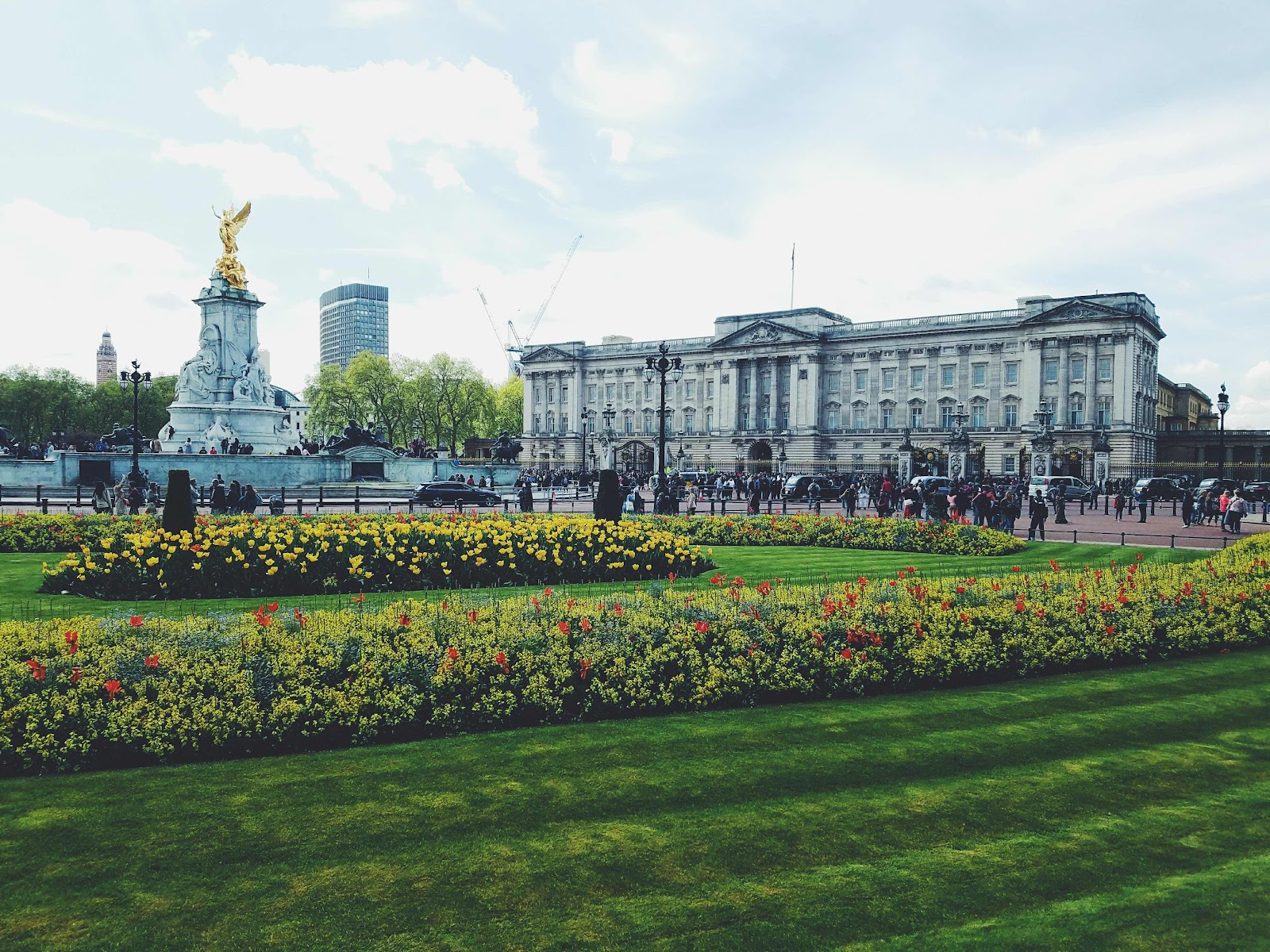
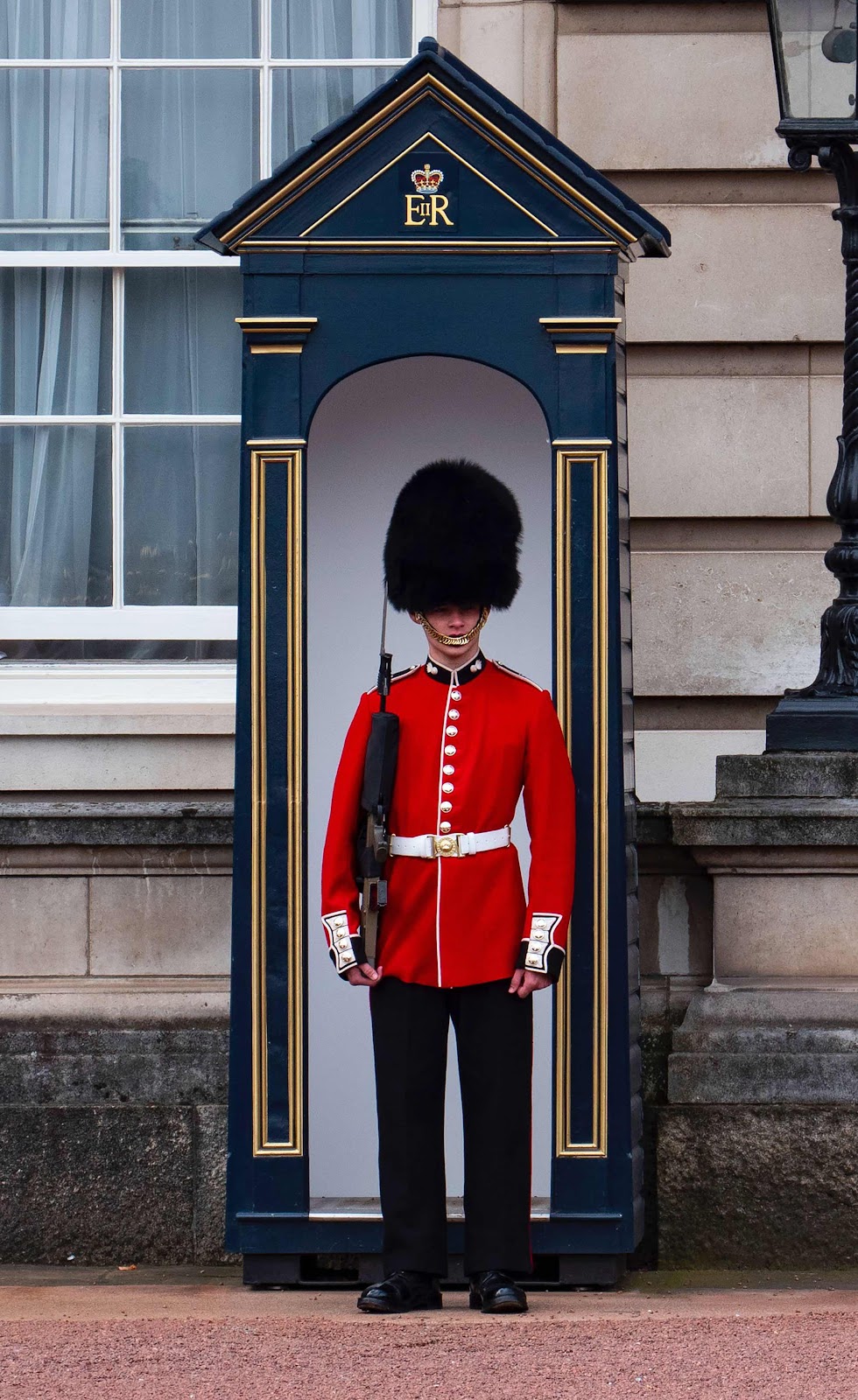
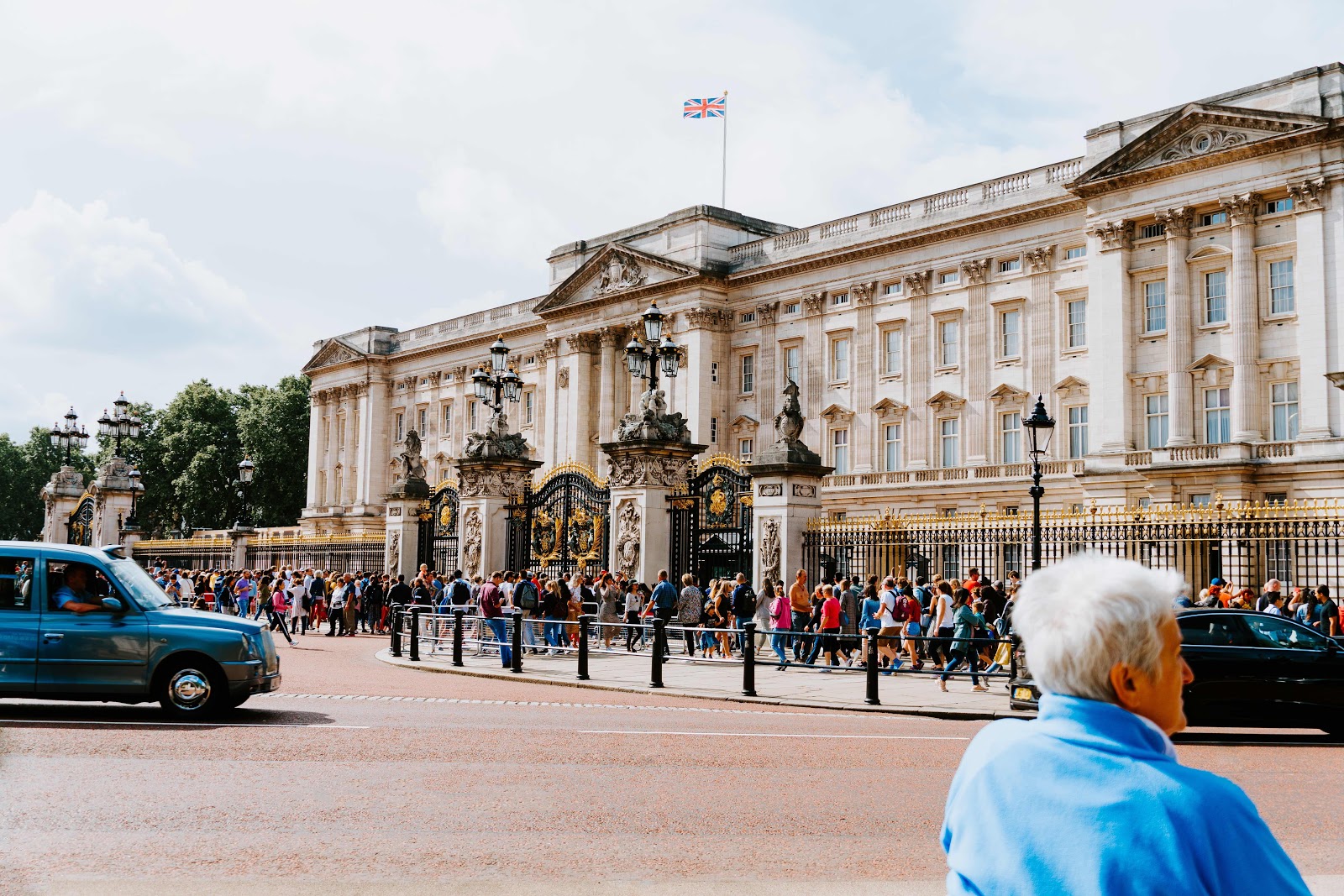
Understanding the monarchy!
Sunday, January 31, 2021
God does not deceive people
All photos courtesy of Unsplash
Scripture Reading
Do not be deceived, God is not mocked:
for whatever a man sows, that he will also reap.
Gal.6.7
I think it would be fair to say that no one likes to be deceived. We feel cheated and manipulated when someone has misled us and wilfully abused our trust. We know inertly in our hearts that this type of behaviour is unacceptable.
As a Christian, I am confident of this. God is absolutely trustworthy; He never deceives us. In our podcasts recently, we have been considering some of God's characteristics that make him dependable and worthy of our trust. He cannot lie, He does not break promises, and He can do everything except sin.
Let me talk to you for a moment about self-deception. It is possible to deceive yourself. Our verse today warns us of this possibility. We could ‘stick our head in the sand’ and try to pretend that we can do what we like and get away with it. However, this verse states that this would amount to deceiving ourselves, and the end result would be personally damaging. There is a principle at work here - you reap what you sow! This principle works in all spheres in life. The gap between sowing and reaping may vary depending on the situation. It is most vividly seen in the agricultural world. However, it is also true in relationships, in business and financial matters. Why then would it not be true in the spiritual world? If we give time to God, invest in things that are of spiritual value, give priority to our spiritual health, then we will reap the benefits in the long term.
Invest your life in the things of God for His glory, and you will reap the results. If not in this life, in eternity. What a wonderful person our God is. We should praise and give glory to His name!